
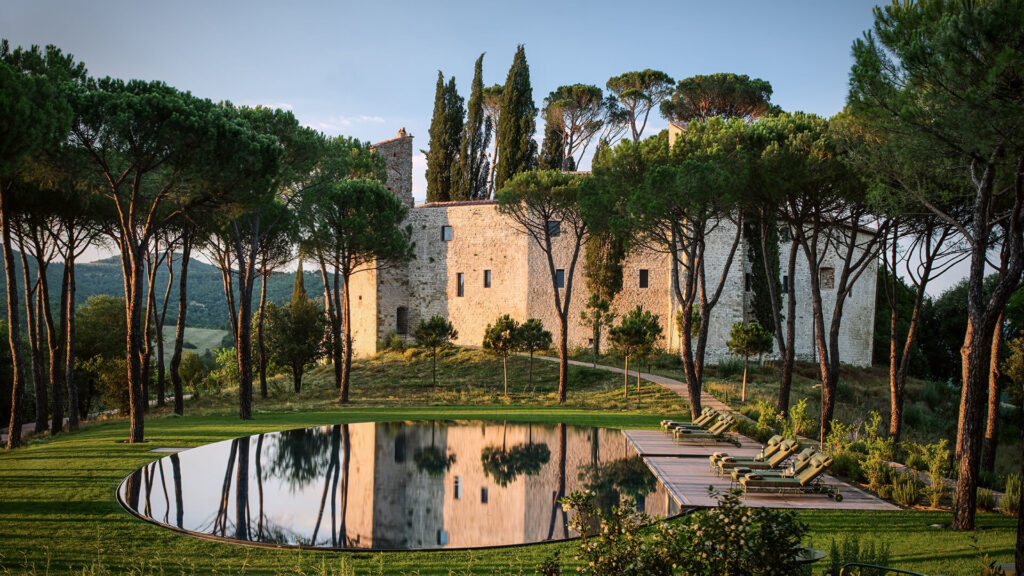
Stop scrolling and lift your gaze to spot a plant. Stare at it long enough and know that the feeling generated within you is exactly what nature does to your mental and physical being. Biophilic design invites nature into indoor spaces to strengthen its connection to humans through real plants, furniture made of natural materials, or nature-inspired furnishings.
Biophilic Basics
Bio-philia. Love for Nature. Coined by the psychoanalyst Eric Fromm, and popularised by Edward Wilson’s book Biophilia (1984), the biophilia hypothesis claims that humans’ connection to nature is through a psychological and genetic basis.
Biophilic design is an approach to make nature a thriving part of any interior design and primarily aims to increase the overall well-being of the occupant.
The elements of biophilic design create a powerful impact on human well-being, delivering measurable benefits for the whole person: physical (lowering blood pressure), mental (reducing stress and anxiety), and behavioural (enhancing social interactions).
6 Benefits of Biophilic Design in the Hospitality Industry
1) Improving Air Quality
Using indoor plants helps mitigate pollutants, improving indoor air quality.
2) Comfortable Acoustics
Wall gardens, large plants, acoustic drapery and indoor gardens help reduce indoor noise levels, thus creating a comfortable acoustic environment.
3) Promoting Well-Being
By strategically placing plants and using soft furnishings in different shades of green at relaxation points, stress reduction, enhanced mood and feelings of well-being can be fostered within these areas.
4) Optimising Thermal Comfort
An optimum level of thermal comfort can be created within the interiors by curating plants and customising soft furnishings to serve the need for temperature reduction.
5) Tactile Experience
Providing opportunities for interaction with foliage, flowers, and branches of plants engages the guests in a tactile experience, fostering a deeper connection with nature. Soft furnishings with varying textures also cultivate a deeper bond with the natural world.
6) Restorative Surroundings
Experiencing nature-based settings first-hand decreases mental fatigue and increases cognitive function in humans.
Painstaking Plantscaping: Biophilic Design for Hotels and Resorts
#1 Plants as a part of the Design Process
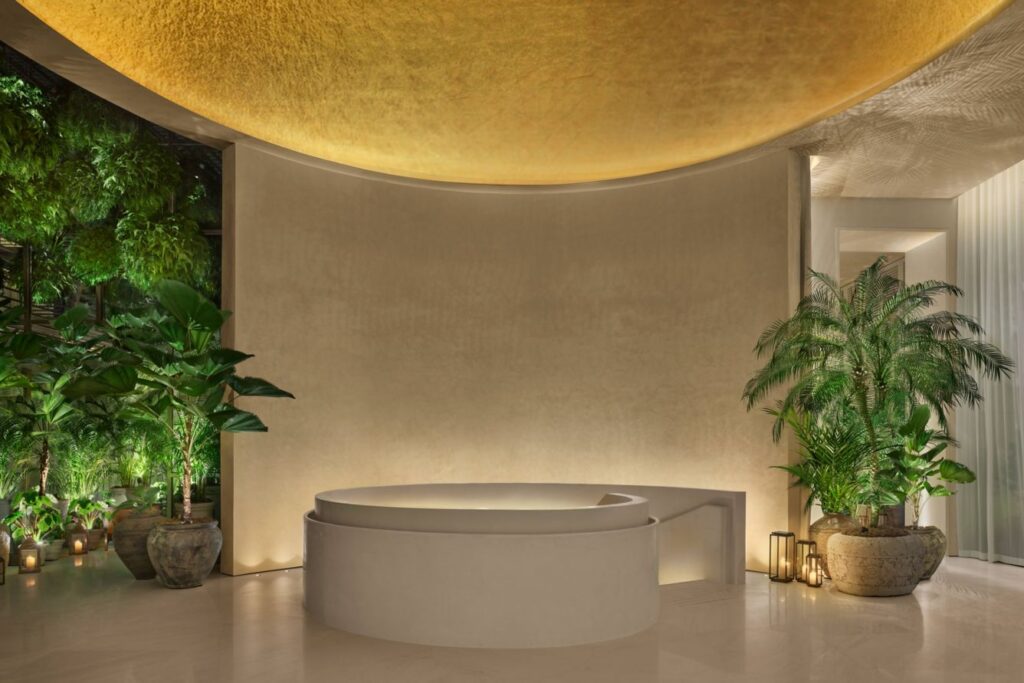
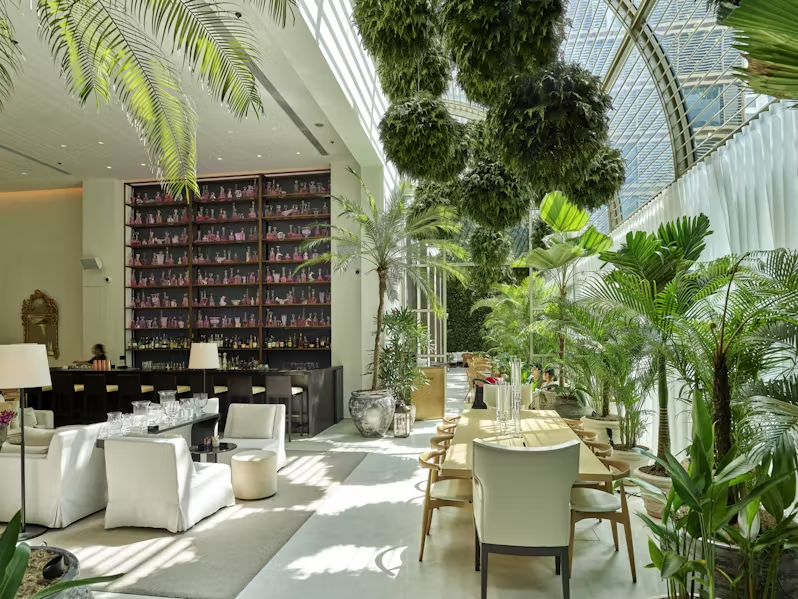
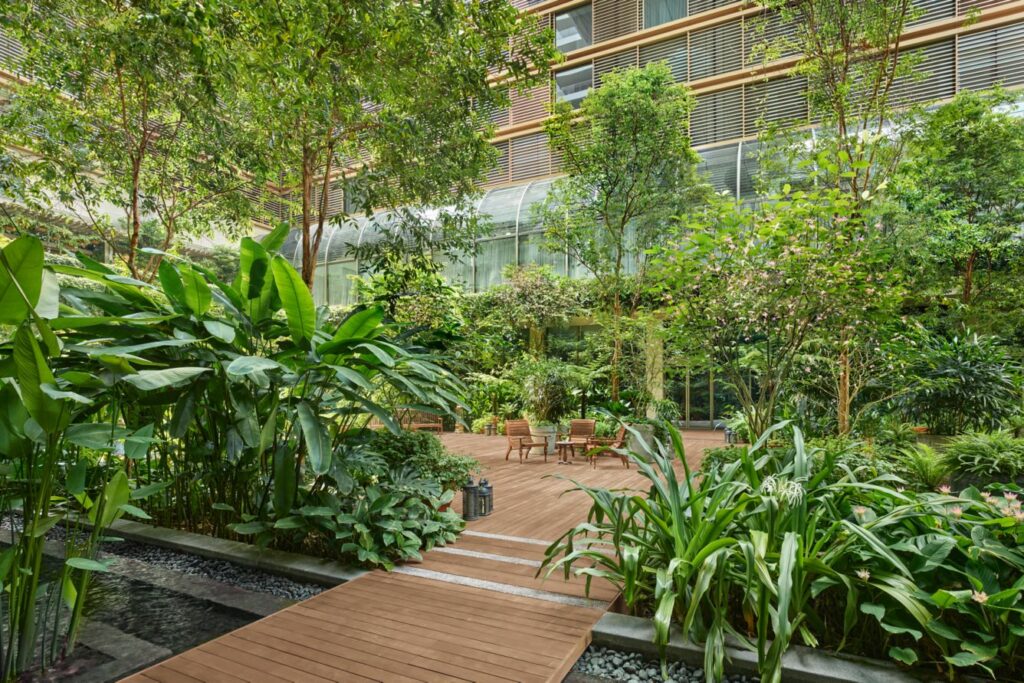
The Singapore EDITION hotel masterfully demonstrates this principle, integrating lush, vertical greenery into its core design. Ecodec was proud to contribute custom soft furnishings that complement this living architecture, providing textured fabrics and window treatments that enhance the serene, natural ambiance without competing with it.
#2 Plants for a Look of Luxury
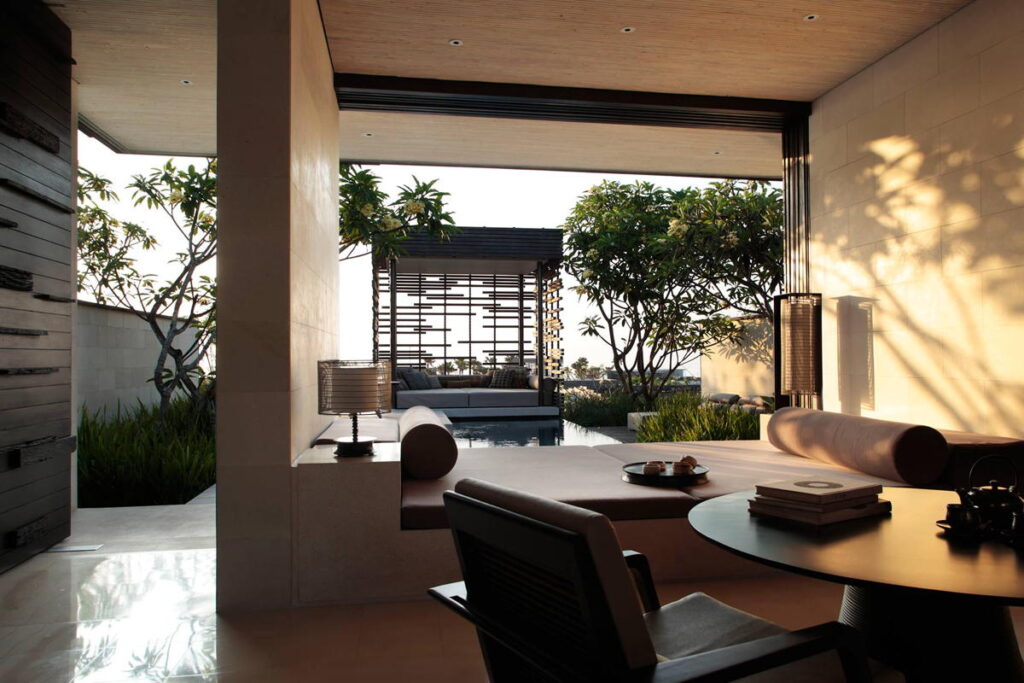
A benchmark for luxury biophilic design can be seen in projects like Alila Villas Uluwatu, where native landscaping and organic materials are woven directly into the architecture to create a serene, high-end experience. This is the level of seamless integration we help you achieve. Ecodec provides the luxury soft furnishings—the drapery, textiles, and upholstery—that complement such nature-inspired palettes, ensuring your project delivers both sophistication and a connection to the natural world.
#3 Plants as a Place to Retreat
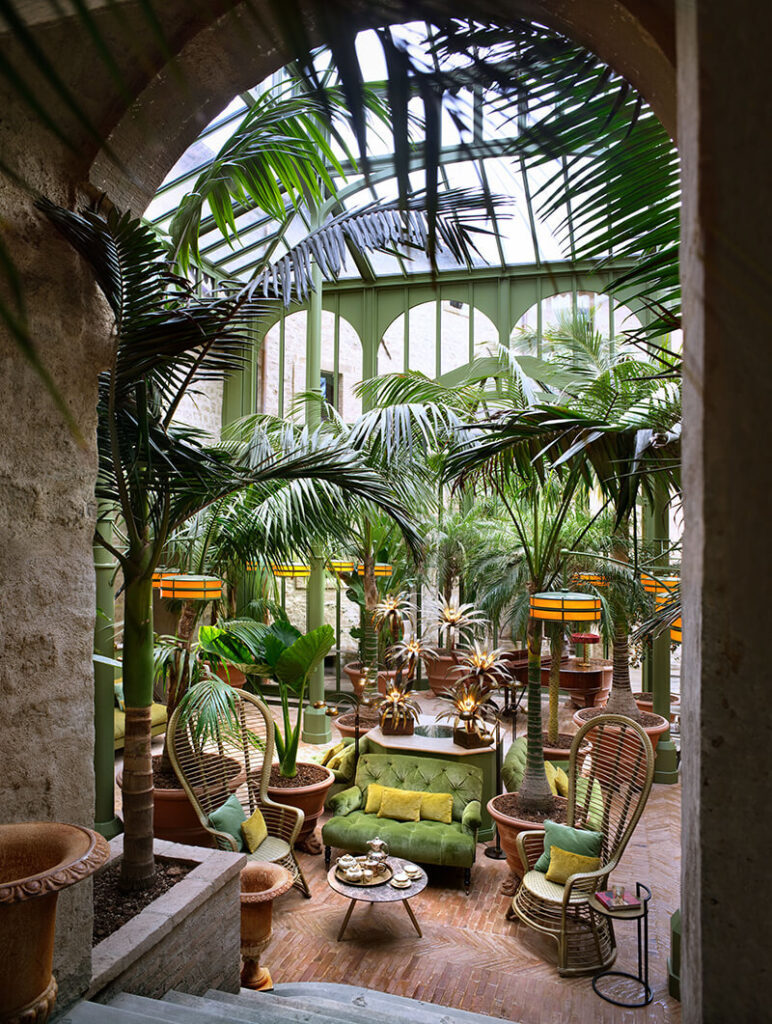
A secluded space to read, converse, and enjoy a mix of cocktails, this Palm Court in Hotel Castello di Reschio, Italy, houses various plants to induce a sense of calm.
5 Tips to Incorporate Plants in Hospitality Space
1) Hanging Plants
Hanging plants at different levels with varying textures, foliage, and patterns creates a vibrant space that completes the overall look of any design.
2) Potted Plants
Located sparsely throughout the project or in clusters to create points of interest, potted plants are a great way to enhance the overall look of a luxury suite or any other reception area.
3) Green Walls
Using green walls throughout any project has multiple benefits, from becoming a point of interest to creating a visual connection to nature.
4) Indoor Room-Garden
This extensive method can be introduced by creating soil patches to grow plants within common gathering spaces like eating areas, meeting spaces, and hotel lobbies.
5) Greens Art Installation
Showcasing greenery as an art installation through a walled garden of potted plants, installing topiaries, moss art, and giant planters with various succulents or flowering plants.
The Future of Biophilic Design in Hospitality
Travel across countries and awareness about the impact of a healthy environment has increased drastically. Hospitality projects now see the need to curate environments catering to a diverse group of people. Creating biophilic spaces through the use of soft furnishings enhances the experience. Hotels, restaurants, and offices must adapt to methods that create eco-conscious, better-living abodes, like using nature-based elements in their soft furnishings.
Ecodec’s Approach to Biophilic Design
True biophilic spaces engage all the senses. Ecodec’s luxury soft furnishings provide the tactile experience, from the gentle filter of natural light through our blinds to the organic drape of our curtain fabrics. We supply the materials that translate a biophilic concept into a tangible, luxurious reality.
Partner with us to specify soft furnishings that elevate your next nature-inspired hospitality or commercial project. Get in touch at biz@ecodec.sg.